

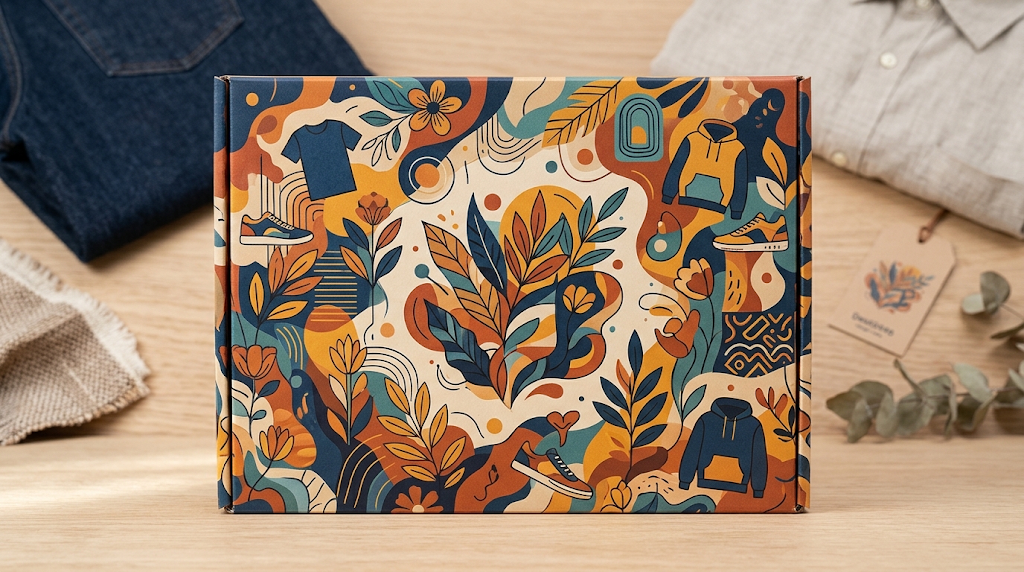
The apparel industry relies on presentation, protection, and consistency to create a positive customer experience. Customized Apparel Boxes help clothing businesses protect garments, strengthen brand recognition, and deliver products in professional packaging. From online clothing stores to luxury fashion labels, suitable packaging can improve product presentation while supporting efficient storage, shipping, and order fulfillment.
Well-designed apparel packaging combines durable materials, practical dimensions, and attractive printing. Businesses can choose box styles that suit their products, target customers, and budgets. When packaging aligns with a brand’s identity, it can create a memorable unboxing experience and encourage customer loyalty.
Why Apparel Packaging Matters
Clothing packaging does more than hold garments. It helps protect products from dust, handling, and certain external conditions during storage and delivery. It also gives businesses an opportunity to present their products consistently across retail stores, e-commerce orders, and promotional campaigns.
Effective apparel packaging supports several goals:
- Product protection: Helps garments arrive neatly packed.
- Brand recognition: Reinforces logos, colors, and visual identity.
- Customer experience: Creates a professional unboxing experience.
- Shipping efficiency: Supports organized packing and storage.
- Gift presentation: Makes clothing suitable for special occasions.
How Custom Apparel Boxes Strengthen Branding
Custom Apparel Boxes with Logo help businesses maintain a recognizable appearance across their packaging and marketing materials. Consistent typography, colors, and logo placement make packaging easier to associate with a particular clothing brand.
Custom Printed Apparel Boxes provide additional design flexibility. Brands can use patterns, product details, seasonal artwork, or minimalist graphics to match their market positioning.
For example, a luxury fashion label might select rigid boxes with subtle branding, while a casual clothing business could prefer lightweight cartons with bold printed designs. The right choice depends on the product, audience, and budget.
Choosing Suitable Materials and Sizes
Material selection affects strength, appearance, cost, and shipping performance. Corrugated cardboard offers structural support for e-commerce shipments, while folding carton board works well for many lightweight garments. Rigid board can provide a premium presentation for luxury clothing and gift sets.
Recycled paperboard and kraft-style materials may suit businesses seeking a simpler packaging appearance or reduced use of virgin materials. Sustainability claims should always be supported by reliable supplier information.
Box dimensions also matter. Shirts and T-shirts often fit compact packaging, while hoodies and jackets need more room. Measuring folded garments before ordering helps prevent excessive empty space or packaging that closes poorly.
Personalized Apparel Boxes for Different Clothing Products
Personalized Apparel Boxes can be designed for individual garments, bundled orders, seasonal collections, or gift sets. A well-fitted box helps keep clothing organized and reduces unnecessary movement during transit.
Businesses should account for tissue paper, inserts, promotional cards, and other additions when determining dimensions. Luxury products may benefit from carefully arranged interiors, while everyday clothing may require a simpler, cost-effective structure.
Decorative features should support the overall experience rather than add unnecessary expense. Practical design choices can improve presentation without making packaging difficult to assemble or store.
Managing Costs with Bulk and Wholesale Orders
Ordering Custom Apparel Boxes in bulk may reduce the per-unit cost because manufacturing and setup expenses are distributed across more units. However, large orders can also create storage challenges and increase the risk of unused packaging if a brand changes its design.
Custom Apparel Boxes wholesale purchasing can suit retailers, clothing manufacturers, and e-commerce businesses with regular packaging needs. Buyers should compare more than the initial price.
Important purchasing considerations include:
- Minimum order quantity and unit pricing.
- Material quality and structural strength.
- Printing accuracy and finishing options.
- Production and delivery times.
- Sample availability.
- Shipping, storage, and assembly costs.
Requesting a sample before approving a large order helps identify sizing, color, and construction issues early. Written specifications also support consistency when repeat orders are placed.
Improving E-Commerce Shipping and Fulfillment
Customized Hat Boxes should work efficiently within the order fulfillment process. Standardized box sizes can help warehouse teams pack orders consistently and organize packaging inventory.
Oversized boxes may waste storage space and increase dimensional shipping costs, depending on the carrier. Undersized boxes can place pressure on garments or make closures difficult. Testing common order combinations helps businesses identify practical packaging sizes.
Packaging should also be easy to open and handle. Although it cannot prevent every return, suitable construction can help garments remain organized and make the overall delivery experience more convenient.
Printing and Finishing Options
Printing and finishing influence the final appearance of apparel packaging. Digital printing may suit certain short runs, while flexographic or offset printing can be appropriate for other materials and production quantities.
Businesses may also consider matte or gloss coatings, embossing, debossing, and foil accents. These options can highlight selected design elements, but they may affect cost, production time, and recyclability.
The most effective design is not always the most elaborate. Clear branding, readable typography, and balanced colors can create a professional result without unnecessary decoration.
Common Mistakes to Avoid
Several mistakes can make apparel packaging more expensive or less effective:
- Ignoring garment measurements: Incorrect dimensions can cause poor fit or wasted space.
- Choosing appearance over strength: Packaging must suit its shipping conditions.
- Ordering too much inventory: Excess stock can become outdated after a rebrand.
- Skipping samples: Digital previews may not show actual materials or print quality.
- Overcomplicating designs: Too many finishes can raise costs without improving usability.
- Ignoring storage requirements: Packaging must fit available warehouse space and packing workflows.
A clear checklist helps buyers evaluate packaging before committing to production.
Conclusion
Successful apparel packaging balances product protection, attractive presentation, consistent branding, and cost efficiency. Businesses should evaluate materials, dimensions, printing, order quantities, and shipping requirements before selecting a packaging solution. Customized Apparel Boxes can support a more professional customer experience when their design reflects the brand and their structure meets practical needs. For businesses seeking scalable options, Customized Boxes in Bulk may be worth considering when comparing production quantities, customization choices, and long-term packaging requirements.
Frequently Asked Questions
1. What are Customized Apparel Boxes?
They are packaging boxes designed for clothing products, with options for custom sizes, materials, printing, colors, and finishes.
2. Can apparel boxes include a company logo?
Yes. Logo placement, brand colors, and other visual elements can help create consistent packaging.
3. Are bulk apparel boxes more affordable?
They may offer a lower unit price, but buyers should also consider storage, shipping, setup fees, and potential unused stock.
4. Which materials are suitable for apparel boxes?
Corrugated cardboard, folding carton board, rigid board, recycled paperboard, and kraft-style board are common options.
5. How should a clothing business choose box dimensions?
It should measure folded garments and account for tissue paper, inserts, and other packaging components before selecting a size.
6. Are printed apparel boxes suitable for e-commerce?
Yes. They can support brand presentation, provided their construction and dimensions suit shipping and fulfillment requirements.
7. Can apparel packaging be more sustainable?
Businesses can explore recycled materials, right-sized boxes, and reduced decorative components while verifying material and recycling claims.
8. What should buyers check before placing an order?
They should review samples, dimensions, materials, print quality, minimum quantities, production times, and total delivered cost.
