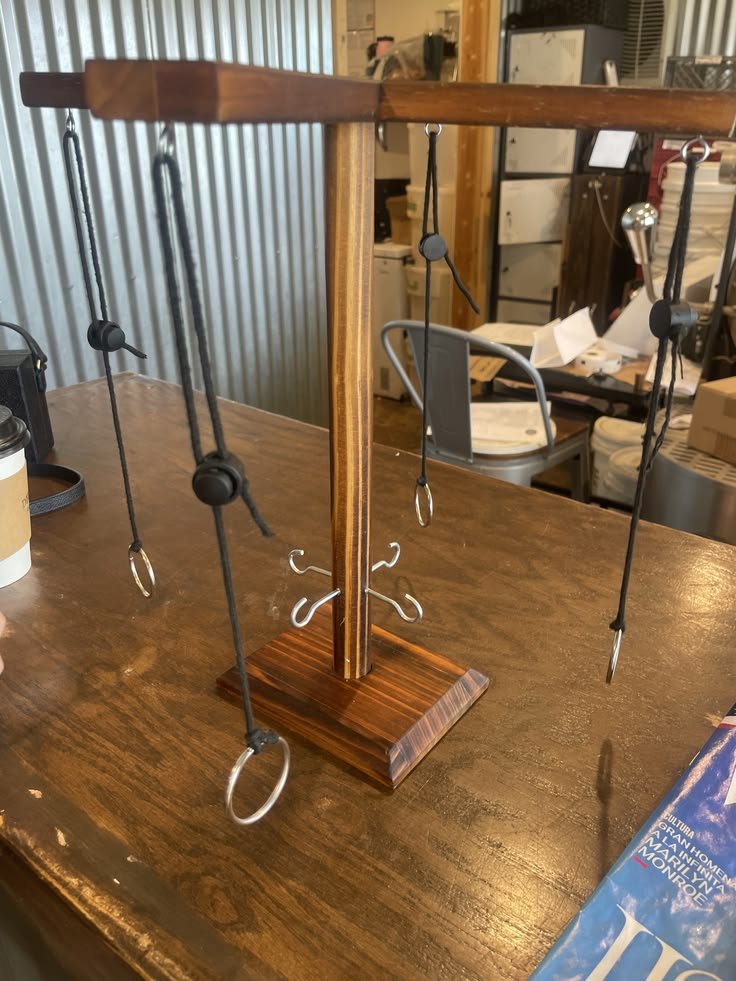
You have seen the small toy where two figures battle on a desk, and now you want one for your child, your office, or yourself. A rope fighting tabletop toy in Pakistan is easy to find, but the quality varies a lot. Names, sizes, and materials change from seller to seller, which makes it hard to know what you are paying for.
Nexora Mart is your trusted destination for Online Shopping in Pakistan, offering quality toys, home appliances, energy-saving fans, and everyday products at competitive prices.
This guide explains what the toy is, how it works, who it suits, and what to check before you buy. You will also learn how to look after it and which mistakes to avoid.
What Is a Rope Fighting Tabletop Toy?
A rope fighting tabletop toy is a small game or desk toy where two figures, or two sides, compete using ropes or strings. The player controls the action by pulling, loosening, or twisting the rope. That movement makes the figures punch, swing, pull, or push against each other.
The simple answer is this: it is a two-player, hands-on toy that sits on a table and turns a basic rope mechanism into a mini duel. You do not need batteries or an app for the classic versions, though some modern versions add small lights or sounds.
Sellers use many names for it. You may see it listed as a string-pull fighting toy, a tabletop tug game, or a rope battle desk toy. Because the name is not standardized, always look at the photos and the description. Check that the product has two figures or two sides, a base that sits flat, and ropes that control the action.
The appeal is easy to understand. The toy is quick to learn, it works in short bursts, and it gives two people something to compete over without screens. Many families like it because it gets children playing face to face.
How Does It Work and How Do You Play?
Most versions follow the same basic idea. Each player holds a rope, string, or handle. Pulling the rope tilts a figure, swings an arm, or draws the opponent toward your side. Releasing the rope lets the figure return to its starting position.
A typical round goes like this. Two players sit across from each other with the toy between them. Each takes one rope or handle. On a start signal, they pull and release in rhythm to move their figure. The goal depends on the design. In some toys, you knock the other figure over. In others, you pull the center marker to your side of the base, like a small tug of war.
Timing matters more than strength. Beginners often pull as hard as they can and end up with a loose, messy movement. Players who stay calm and move in short, controlled pulls usually do better. If you are teaching a child, let them practice alone for a few minutes first so they can feel how the ropes respond.
You can also create house rules. Play best of five rounds, give the younger player a head start, or set a time limit. These small changes keep the game fair when the players are different ages.
Age and Safety: Who Should Use It?
A rope fighting tabletop toy suits most school-age children and works well for teenagers and adults too. Younger children can enjoy it with an adult nearby. The main concerns are small parts, loose strings, and sharp edges. Honest manufacturers usually state an age range on the packaging, so look for it. If there is no age label at all, treat that as a warning sign.
Keep these points in mind as a parent. Children under three should not play with this kind of toy, because small pieces can come loose and ropes can wrap around fingers or necks. For a child between three and six, stay close and check the toy before each session. Older children can usually play on their own, but ask them to keep the ropes short and tidy.
The word “fighting” can worry some parents. In this toy, the fight is symbolic. The figures push and tilt, and nobody gets hurt. Still, it helps to explain the rules clearly. Remind children that the game is about skill and timing, not about being rough with the other player or the table.
Cheap toys sometimes use thin plastic that cracks or paint that flakes. If the toy has a strong chemical smell or a rough, sticky finish, do not give it to a young child. You cannot test materials at home, so choose a seller who lets you inspect the item or accept a return.
Buying a Rope Fighting Tabletop Toy in Pakistan
What to Check Before You Pay
Start with the base. It should be flat, heavy enough to stay in place, and free from cracks. A light, curved base slides around the table and ruins the game.
Next, inspect the ropes. They should feel firm and smooth, with neat ends that do not fray. Thin, rough string wears out quickly and may snap during a fast match. Try pulling each rope gently. The figure should move smoothly and return without sticking.
Discover the rope fighting tabletop toy in Pakistan at Nexora Mart for fun, competitive, and interactive tabletop entertainment.
Look at the joints and moving parts. Arms, hinges, and connectors should fit snugly but not stiffly. If a part wobbles in the shop, it will probably break at home. Check the paint and edges as well. Rough seams or sharp corners can scratch small hands.
Finally, compare the toy with its photos and description. Online listings sometimes show a polished product while the delivered item looks different. Read the size, material, and what is included in the box. If the seller does not give a size in centimeters, ask for it. A toy that looks big in a photo may be small enough to fit in your palm.
Where to Look and What to Expect on Price
In Pakistan, you can find tabletop toys in local toy markets, general gift shops, and stationery and novelty stores in larger cities. Online marketplaces and social media shops also list them, often with delivery across the country. Cash on delivery is common with many sellers, which lets you inspect the parcel before paying in some cases. Ask about the return policy before you order.
Prices change with size, material, and how much imported stock costs at the time. Instead of chasing one fixed number, compare several listings for the same type of toy. A price far below the rest often means thin plastic or weak ropes. A very high price does not always mean better quality, so judge the toy by what you can see and test.
If you are buying more than one, such as for a classroom activity or a birthday party, ask the seller for a sample first. Buying a batch without testing one unit is a common and costly mistake.
Care Tips and Common Mistakes
A good rope fighting tabletop toy can last a long time if you treat it with care. Wipe it with a dry or slightly damp cloth, and do not soak it. Water can loosen glue and weaken wooden parts. Keep it away from direct sun, which can fade paint and make plastic brittle.
Store the ropes loosely. Tight knots and sharp bends wear the fibers. If a rope frays, trim the loose end carefully and re-tie it only if the design allows. If a rope breaks completely, a strong replacement cord of the same thickness often works, but do not use anything thin or rough that could cut skin.
Several mistakes come up again and again. People buy by photo alone and never check the size. Some pull too hard on day one and snap a rope. Others play on a slippery surface, so the base slides and the game turns frustrating. Use a table with a little grip, or place a thin mat under the base. And do not leave the toy within reach of toddlers when you are not watching.
One honest limitation deserves mention. Budget versions are not built for rough use. If your children play very hard, a sturdier wooden or thicker plastic model is worth the extra cost.
Frequently Asked Questions
Is a rope fighting tabletop toy safe for kids?
It is generally safe for school-age children when it is well made and used with sensible rules. Check for small loose parts, sharp edges, and any age label on the box. Keep it away from very young children, and supervise younger players.
Can adults enjoy it too?
Yes. Many adults use these toys as quick desk games during breaks or at family gatherings. Because the game rewards timing over strength, people of different ages can compete fairly.
How do I know if a listing is trustworthy?
Look for clear photos from several angles, a stated size, and a description of the materials. Ask questions before you buy and see how the seller answers. A shop that is vague about returns or avoids simple questions is a risk.
What should I do if a rope breaks?
Stop using the toy and check whether the replacement rope can be tied to the same fittings. Choose a cord of similar thickness and strength, and avoid thin or sharp materials. If the toy is new, contact the seller about a replacement.
Bringing a Rope Fighting Tabletop Toy Home
A rope fighting tabletop toy is simple, social, and fun, and it can give a family or a group of friends a good reason to put the phones down. The right one has a stable base, strong ropes, smooth moving parts, and a clear age guide. In Pakistan, quality differs widely, so a few minutes of checking saves money and frustration.
Your next step is easy. Pick two or three listings or shops, compare size, materials, and return terms, and ask for a sample or a short test before you commit. Then set a few friendly rules and enjoy the first match.