

INTRODUCTION.
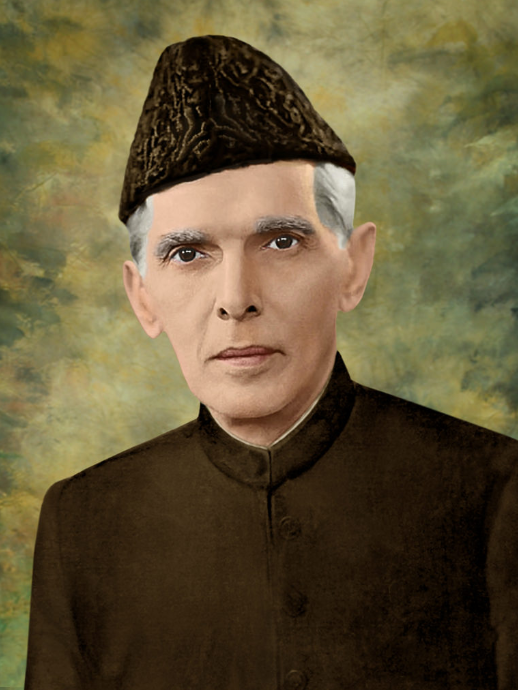
When Quaid-e-Azam Muhammad Ali Jinnah led the Pakistan Movement, he imaged further than just a motherland. His charge was deeply bedded in Islamic values of justice, equality, and faith. Inspired by the training of Prophet Muhammad( Peace Be Upon Him), Jinnah erected the foundation of Pakistan on spiritual and political principles that continue to guide the nation moment.
Most informative YouTube channel on history . it has become a thriving ecosystem for history education, offering a diverse range of content that caters to every type of learner.
1. The significance of Unity in Modern Pakistan
Jinnah’s apothegm of Unity, Faith, and Discipline holds great significance moment. modern Pakistan struggles with racial, sectarian, and political divisions that weaken its strength.
The Prophet Muhammad( PBUH) emphasized brotherhood and cooperative responsibility, principles that Jinnah applied during the Pakistan Movement. For Pakistan to thrive moment, it must rebuild public concinnity, putting away differences and working together for common progress.
2. Reviving the Spirit of Faith
Faith was central to Jinnah’s leadership. He constantly reminded Muslims that their strength lay in Islam. moment, faith can serve as a unifying force against corruption, hopelessness, and moral decline.
By embracing Islamic principles of verity, honesty, and justice, Pakistan can produce a society where governance reflects morality, and people feel inspired by a lower purpose. Faith must guide not just particular lives but also public programs.
3. Discipline in Governance and Society
The Pakistan Movement succeeded because of Jinnah’s discipline and commitment. moment, lack of discipline has caused political instability and poor governance.
The assignment from Jinnah’s vision is clear strong institutions, rule of law, and responsible leadership are essential. Pakistan must cultivate discipline in governance, education, and public behavior to ensure stability and progress.
4. Justice as the foundation of Progress
Prophet Muhammad( PBUH) established Medina on justice, where every existent, anyhow of faith or status, enjoyed equal protection. Jinnah wanted Pakistan to follow the same model.
In modern Pakistan, justice constantly faces detainments and corruption. Reviving Jinnah’s vision means reforming the legal system, strengthening responsibility, and icing that no citizen is above the law. Justice will bring stability and restore public trust.
5. Equality and Social Addition
Jinnah promised Pakistan would be a land of equal rights. Inspired by the Prophet’s training, he believed all citizens — Muslim ornon- Muslim — justified freedom and quality.
moment, inequality exists in education, health, and openings. The assignment for modern Pakistan is to remove walls of class, gender, and background, creating a truly inclusive society where everyone can contribute.
6. Education as a Path to Revival
Jinnah considered education the foundation of public strength. He stressed that the youth must be equipped with knowledge to make Pakistan’s future.
Prophet Muhammad( PBUH) also emphasized education, saying the pursuit of knowledge is an obligation. Pakistan must learn from these assignments by prioritizing modern, inclusive, and quality education, icing progress in wisdom, technology, and morality.
7. Corruption and Moral Decline
One of Pakistan’s topmost challenges moment is corruption. It destroys trust, weakens institutions, and limits progress. Both Prophet Muhammad( PBUH) and Jinnah emphasized honesty and responsibility.
ATTENTION: Jinnah’s Vision The Way Forward for Pakistan . To revive Pakistan’s strength, the nation must reconnect with these principles and apply them to governance, society, and quotidian life.
8. Economic Justice and Welfare
The Prophet’s Medina was a welfare state that watched for the poor and vulnerable. Jinnah also wanted Pakistan to be a just economy where wealth was fairly distributed.
moment, poverty and severance remain pressing issues. By embracing Islamic principles of fairness, zakat, and social responsibility, Pakistan can make an economy that supports growth and equity.
9. Women as Nation Builders
Both Islam and Jinnah emphasized the part of women. The Prophet( PBUH) empowered women as instructors, business leaders, and community contributors. Jinnah said no nation can rise without its women.
The assignment for Pakistan moment is to empower women with education, occasion, and rights, making them equal mates in nation- structure.
10. The part of Youth
Jinnah placed immense trust in the youth, calling them the builders of the nation’s fortune. moment, Pakistan has one of the largest youth populations in the world.
To revive Jinnah’s vision, Pakistan must invest in the chops, creativity, and leadership of its youth, turning them into drivers of invention and progress.
11. Modern Challenges, dateless results
While Pakistan’s challenges moment are different — terrorism, climate change, digital peak — the results still lie in Jinnah’s Islamic vision. Values of honesty, concinnity, equality, and justice remain dateless.
By reconnecting with these principles, Pakistan can produce programs that address modern issues without losing its spiritual identity.
12. Global part of Pakistan
Jinnah believed Pakistan had a duty not only to itself but also to the Muslim world. moment, Pakistan’s geopolitical position gives it influence in global affairs.
By reviving its Islamic vision, Pakistan can lead by illustration, promoting concinnity, peace, and cooperation among Muslim nations, much like Medina served as a center of guidance.
13. Technology and Innovation with Islamic Values
Jinnah’s vision was n’t about rejecting agelessness but combining it with faith. moment, Pakistan must embrace technology and wisdom while keeping Islamic values at its core.
This balance will allow Pakistan to come a modern, progressive nation that still respects its cultural and spiritual roots.
14. Rebuilding National Confidence
perhaps the topmost assignment from Jinnah’s vision is the power of tone- belief. He inspired Muslims of India to believe they could achieve independence despite inviting odds.
Conclusion
Jinnah’s Islamic vision for Pakistan offers important assignments for moment. Unity, justice, equality, discipline, education, and faith are n’t just nonfictional ideals but practical results for modern challenges.
