

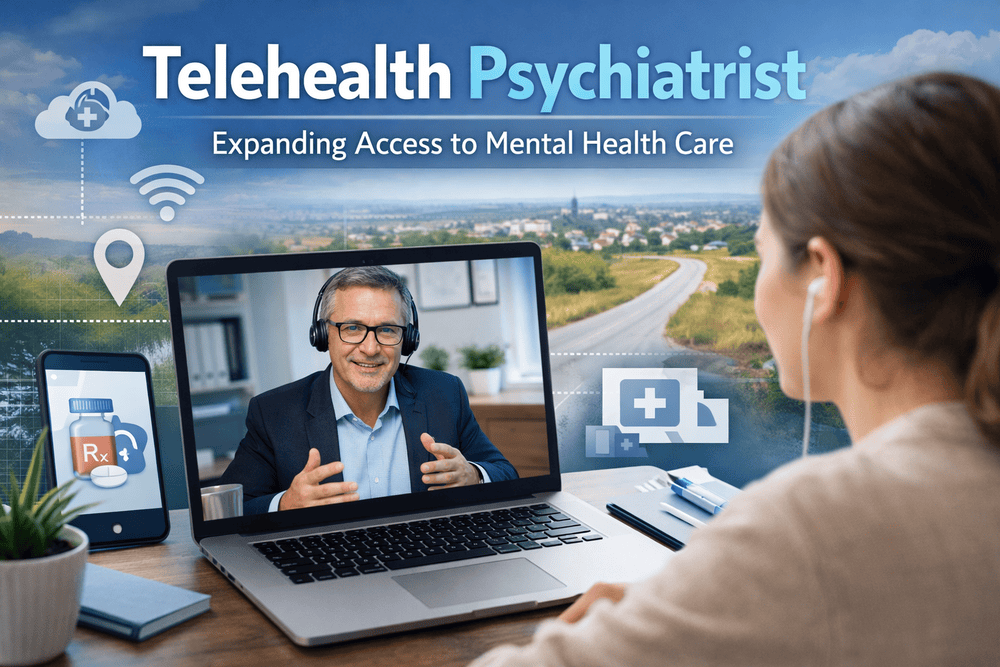
Mental health care is undergoing a major transformation as digital health solutions continue to reshape how patients connect with specialists. One of the most impactful developments in this space is the rise of the telehealth psychiatrist, a service model that enables individuals to receive professional psychiatric care remotely. Telepsychiatry has removed many long-standing barriers to mental health support, making care more accessible, flexible, and patient-centered than ever before.
This article explores how a telehealth psychiatrist works, why telepsychiatry is expanding access to care, and how it is changing the future of mental health services worldwide.
What Is a Telehealth Psychiatrist?
A telehealth psychiatrist is a licensed medical doctor who specializes in diagnosing, treating, and managing mental health disorders through virtual platforms such as secure video calls, phone consultations, or online messaging systems. Unlike traditional in-person psychiatry, telepsychiatry allows patients to consult a psychiatrist from the comfort of their home.
Telehealth psychiatrists are trained to provide comprehensive mental health care, including assessments, therapy, medication management, and ongoing treatment planning. These services are delivered using encrypted technology that ensures patient privacy and compliance with healthcare regulations.
Understanding Telepsychiatry and How It Works
Telepsychiatry is a branch of telemedicine focused specifically on mental health care. It involves real-time interaction between a psychiatrist and a patient using digital communication tools.
Key Components of Telepsychiatry
- Initial psychiatric evaluation
- Diagnosis of mental health conditions
- Medication prescriptions and adjustments
- Ongoing therapy and follow-up sessions
- Crisis support and mental health monitoring
Telepsychiatry platforms are designed to replicate the structure of in-person consultations while offering greater convenience and accessibility.
Why Access to Mental Health Care Is a Global Challenge
Despite increased awareness of mental health issues, access to psychiatric care remains limited for many people. Common challenges include:
- Shortage of psychiatrists, especially in rural or remote areas
- Long waiting times for in-person appointments
- High treatment costs
- Transportation difficulties
- Stigma associated with visiting mental health clinics
A telehealth psychiatrist addresses many of these obstacles by delivering care directly to patients, regardless of their location.
How Telehealth Psychiatry Expands Access to Care
1. Reaching Underserved and Remote Communities
One of the most significant advantages of a telehealth psychiatrist is the ability to serve patients in rural and underserved regions. Individuals who previously had to travel hours to see a psychiatrist can now access the same level of expertise through virtual consultations.
This expanded reach helps reduce disparities in mental health care and ensures that geography is no longer a limiting factor.
2. Reducing Long Wait Times
Traditional psychiatric services often involve lengthy waiting periods due to high demand and limited availability. Telepsychiatry increases appointment capacity by allowing psychiatrists to serve more patients efficiently.
Patients can often schedule consultations faster, leading to earlier diagnosis and timely treatment—critical factors in mental health recovery.
3. Improving Affordability and Cost Efficiency
Telehealth psychiatry often reduces overall healthcare costs. Patients save money on transportation, time off work, and childcare expenses. Providers can also operate more efficiently, which may lower consultation fees.
By making mental health services more affordable, a telehealth psychiatrist enables more individuals to seek help before conditions worsen.
4. Enhancing Comfort and Reducing Stigma
Many people hesitate to seek psychiatric care due to social stigma or anxiety about visiting a clinic. Virtual consultations offer a more private and comfortable environment, allowing patients to engage openly with their psychiatrist.
This increased sense of safety often leads to better communication, stronger therapeutic relationships, and improved treatment outcomes.
5. Greater Flexibility for Patients and Providers
Telepsychiatry offers flexible scheduling options, including evening and weekend appointments. This flexibility benefits individuals with busy schedules, caregivers, students, and professionals who struggle to attend in-person visits.
A telehealth psychiatrist can adapt session timing to meet patient needs, promoting consistent follow-ups and long-term care.
Conditions Commonly Treated by Telehealth Psychiatrists
Telehealth psychiatry is effective for managing a wide range of mental health conditions, including:
- Anxiety disorders
- Depression and mood disorders
- Bipolar disorder
- Post-traumatic stress disorder (PTSD)
- Attention-deficit/hyperactivity disorder (ADHD)
- Sleep disorders
- Obsessive-compulsive disorder (OCD)
While severe psychiatric emergencies may still require in-person intervention, most ongoing mental health conditions can be safely and effectively managed through telepsychiatry.
The Role of Technology in Telepsychiatry
Technology plays a crucial role in the success of telehealth psychiatry. Secure video platforms, electronic health records, and digital prescription systems ensure seamless care delivery.
Benefits of Digital Integration
- Secure and confidential communication
- Easy access to treatment history
- Streamlined medication management
- Improved continuity of care
With ongoing advancements in digital health tools, the telehealth psychiatrist model continues to evolve and improve patient experiences.
Telehealth Psychiatry vs Traditional In-Person Care
While both models aim to provide high-quality mental health treatment, telepsychiatry offers unique advantages.
| Aspect | Telehealth Psychiatrist | In-Person Psychiatry |
| Accessibility | High | Limited by location |
| Convenience | Very high | Moderate |
| Waiting Time | Shorter | Often longer |
| Cost | Generally lower | Higher overhead |
| Comfort | Home-based | Clinical setting |
For many patients, telepsychiatry offers comparable clinical outcomes with greater convenience and flexibility.
Safety, Privacy, and Ethical Considerations
Patient safety and confidentiality are essential in mental health care. Telehealth psychiatrists follow strict professional and ethical guidelines, including:
- Secure, encrypted communication platforms
- Compliance with healthcare privacy laws
- Proper patient identification and consent
- Emergency protocols for high-risk situations
When delivered responsibly, telepsychiatry maintains the same standard of care as in-person psychiatric services.
The Growing Acceptance of Telepsychiatry
The demand for telepsychiatry has increased significantly due to changing patient expectations and evolving healthcare systems. Many patients now prefer virtual mental health services as a long-term solution rather than a temporary alternative.
Healthcare providers and institutions increasingly recognize telepsychiatry as a sustainable and effective model that supports broader mental health initiatives.
Who Can Benefit Most from a Telehealth Psychiatrist?
A telehealth psychiatrist is particularly beneficial for:
- Individuals living in remote or rural areas
- Patients with mobility limitations or chronic illness
- People with busy schedules or caregiving responsibilities
- Those seeking discreet and private care
- Individuals requiring ongoing medication management
By offering tailored care that fits modern lifestyles, telepsychiatry meets the needs of diverse patient populations.
The Future of Telehealth Psychiatry
The future of mental health care is closely tied to digital innovation. As technology advances, telehealth psychiatry is expected to incorporate tools such as AI-assisted assessments, remote monitoring, and personalized treatment planning.
Telepsychiatry will continue to complement traditional care models, expanding access and enhancing the overall mental health ecosystem.
Final Thoughts
The rise of the telehealth psychiatrist represents a major step forward in making mental health care more accessible, affordable, and patient-focused. By removing geographic, financial, and social barriers, telepsychiatry empowers individuals to seek timely and effective mental health support.
As more people embrace virtual care, platforms like HelloDoc are contributing to a healthcare landscape where quality psychiatric services are no longer limited by location or circumstance. Telepsychiatry is not just a convenience it is a transformative approach that is reshaping the future of mental health care for the better.
