

Electrical switches are among the most frequently used components in any building. From turning on lights to controlling appliances, they make everyday electrical systems safe, convenient, and efficient. However, with a wide variety of designs and functions available, selecting the right electric switches requires careful consideration of the application, load requirements, and installation environment. While residential switches are designed for everyday convenience, industrial equipment often relies on devices such as a DOL starter for motor control. Understanding these electrical components helps ensure reliable performance, improved safety, and long-term efficiency.
What Are Electric Switches?
Electric switches are devices used to control the flow of electricity by opening or closing an electrical circuit. They allow users to safely operate lighting, fans, appliances, and other electrical equipment.
Modern switches are designed to offer:
- Safe operation
- Smooth functionality
- Attractive designs
- Long service life
- Easy installation
They are available in different styles to suit residential, commercial, and industrial applications.
Why Choosing the Right Switch Matters
Selecting the appropriate switch is about more than appearance. A properly chosen switch improves safety, convenience, and the overall performance of an electrical system.
Some key benefits include:
- Reliable electrical operation
- Enhanced user safety
- Better durability
- Improved aesthetics
- Easier maintenance
- Compatibility with modern electrical systems
Using the wrong type of switch may lead to premature wear, overheating, or operational issues.

Common Types of Electric Switches
There are several types of switches designed for different purposes.
1. One-Way Switch
A one-way switch controls a light or appliance from a single location. It is commonly used in:
- Bedrooms
- Living rooms
- Kitchens
- Bathrooms
2. Two-Way Switch
Two-way switches allow one light to be controlled from two different locations.
Typical applications include:
- Staircases
- Hallways
- Large rooms
- Corridors
3. Bell Push Switch
Bell push switches are momentary switches used for doorbells and signaling systems.
4. Dimmer Switch
Dimmer switches allow users to adjust lighting intensity, creating different lighting moods while helping reduce energy consumption.
5. Smart Switch
Smart switches provide advanced control through mobile applications, automation systems, or voice commands.
Choosing Electric Switches for Different Rooms
Every room has different electrical requirements. Choosing switches based on their intended use improves convenience and efficiency.
1. Living Room
Consider switches that control:
- Main lighting
- Decorative lighting
- Ceiling fans
- Entertainment equipment
Modular designs can also enhance the room’s appearance.
2. Bedroom
Bedroom switches should be easy to access and convenient for controlling:
- Ceiling lights
- Bedside lighting
- Fans
- Air conditioning systems
3. Kitchen
Kitchen switches should be durable and positioned safely away from water sources while providing convenient access to appliances.
4. Bathroom
Bathrooms require switches that are installed according to electrical safety guidelines and protected from moisture exposure.
5. Outdoor Areas
Outdoor switches should be suitable for environmental conditions and protected against dust and moisture.
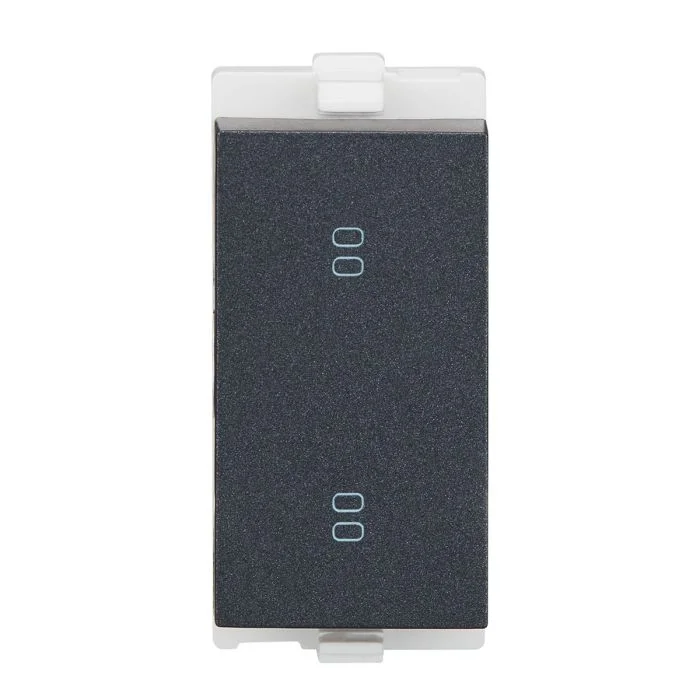
Factors to Consider Before Buying
Selecting the right switch involves evaluating several important factors.
1. Electrical Rating
Always ensure the switch matches the voltage and current requirements of the connected equipment.
2. Material Quality
Choose switches manufactured from durable, heat-resistant materials that can withstand frequent use.
3. Design
Modern modular switches are available in a wide range of colors, finishes, and styles to complement interior décor.
4. Safety Features
Look for products that offer:
- Fire-resistant materials
- Secure terminals
- Smooth operation
- Reliable insulation
5. Ease of Installation
Well-designed switches simplify installation and future maintenance.
Understanding a DOL Starter
While household switches control lighting and small appliances, larger motors require specialized motor control equipment.
A DOL starter (Direct-On-Line starter) is an electrical device used to start and protect electric motors by supplying full voltage directly to the motor during startup.
It is commonly used in:
- Water pumps
- Air compressors
- Conveyor systems
- Industrial machinery
- Manufacturing equipment
Unlike residential switches, a DOL starter is specifically designed for motor control and includes protective features such as overload protection.
Differences Between Electric Switches and DOL Starters
Although both control electrical equipment, they serve different purposes.
| Feature | Electric Switches | DOL Starter |
| Primary Function | Controls lights and appliances | Starts and protects electric motors |
| Typical Application | Homes and offices | Industrial and commercial motors |
| Protection Features | Basic switching | Motor overload protection |
| Load Capacity | Low to moderate | High motor loads |
| Operation | Manual | Manual or automatic |
Understanding these differences helps ensure the correct device is selected for each application.
Installation Best Practices
Proper installation contributes to safe and reliable operation.
Follow these recommendations:
- Turn off the power supply before installation.
- Use compatible wiring and accessories.
- Secure all electrical connections.
- Follow applicable electrical standards.
- Test switch operation after installation.
- Consult qualified professionals for complex electrical work.
Correct installation helps maximize safety and product lifespan.
Common Mistakes to Avoid
Many electrical issues result from incorrect switch selection or installation.
Avoid these common mistakes:
- Choosing switches with incorrect current ratings
- Using poor-quality electrical accessories
- Overloading switch circuits
- Ignoring installation guidelines
- Delaying replacement of damaged switches
Proper planning helps reduce maintenance costs and improve reliability.
Maintenance Tips
Routine maintenance keeps electrical switches operating efficiently.
Recommended practices include:
- Clean switch surfaces regularly.
- Inspect for loose connections.
- Replace damaged switches promptly.
- Check for signs of overheating.
- Test switch operation periodically.
- Inspect every DOL starter during scheduled maintenance to ensure proper motor protection and operation.
Regular inspections help identify potential issues before they affect system performance.
Future Trends in Electrical Switching
Modern electrical systems continue to evolve with new technologies.
Some emerging trends include:
- Smart home integration
- Touch-sensitive controls
- Energy-efficient switching
- Voice-controlled operation
- Wireless automation
- Modular electrical systems
These innovations provide greater convenience while improving energy management and user experience.
Conclusion
Choosing the right electric switches improves safety, convenience, and the overall performance of residential and commercial electrical systems. By selecting switches based on application, electrical rating, and design, users can create reliable and efficient installations that meet both functional and aesthetic requirements. For industrial motor control, devices such as a DOL starter provide specialized protection and dependable operation. With more than 70 years of expertise in electrical and automation solutions, Lauritz Knudsen Smartshop continues to deliver high-quality products that support safe, efficient, and future-ready electrical systems across homes, businesses, industries, and infrastructure.

