

Synchronous belts are important parts of many machines because they help transfer movement between rotating components while keeping their timing consistent. Like other machine parts, they can wear over time when they are exposed to continuous movement, heat, dust, pressure, and other working conditions. Proper maintenance can help reduce unnecessary wear and keep the belt working for a longer period. The good thing is that belt maintenance does not always require complicated methods. Regular inspection, proper tension, good alignment, and a clean working area can make a noticeable difference. However, there is one detail that is often overlooked: a belt can sometimes appear normal on the outside while a small problem is already developing within the drive system.
Note:
For more information about the maintenance, selection, and application of Synchronous Belts(สายพานซิงโครนัส), readers can explore the available resources from PIX Trans Thailand. For additional information about suitable belt solutions and applications, Contact them directly.
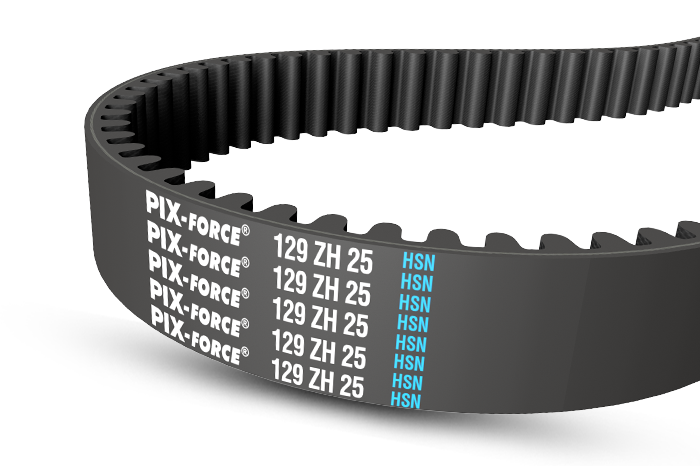
Why Regular Belt Maintenance Matters
Regular maintenance helps identify small problems before they become larger and more expensive issues. A belt that is not inspected for a long time may develop cracks, damaged teeth, uneven wear, or other problems that can eventually affect machine operation. When these signs are noticed early, maintenance teams have more time to investigate the cause and take suitable action.
Proper maintenance can also help reduce unexpected machine stoppages. When a belt fails suddenly, the machine may need to stop until the problem is fixed. This can interrupt normal work and may also affect other parts of the drive system. Keeping a regular maintenance routine allows the condition of the belt and surrounding components to be monitored over time.
Start With Regular Visual Inspections
One of the simplest ways to maintain a belt is to inspect it regularly. A visual inspection can reveal several early signs of wear without requiring complicated equipment. The machine should always be safely stopped before the inspection begins, and accidental start-up should be prevented.
During the inspection, look carefully at the belt surface, teeth, edges, and overall shape. Cracks, cuts, missing teeth, frayed edges, unusual marks, or changes in the belt surface may indicate that the belt needs further attention. The belt should also be checked for uneven wear because wear on only one side can sometimes indicate an issue with alignment or another part of the drive.
A small visible change can sometimes be an early warning sign of a larger problem. Finding that change early can make it easier to understand what is happening before the belt stops working.
Keep the Belt and Pulley Area Clean
The area around a belt drive can collect dust, dirt, oil, grease, and other unwanted materials. If these materials build up, they may affect the way the belt and pulley work together. Keeping the surrounding area clean can therefore be an important part of regular maintenance.
Cleaning should always be carried out according to the machine and belt manufacturer’s instructions. Not every cleaning product is suitable for every belt material. Some chemicals or solvents may affect the belt surface or weaken the material. For this reason, it is better to check the recommended cleaning method rather than using a product simply because it is commonly available.
A clean working area also makes inspections easier. When dirt and grease are removed, cracks, surface changes, and other signs of wear are easier to see.
Check Belt Tension Regularly
Correct belt tension is another important part of maintenance. A belt that is too loose may not work properly and can experience movement problems or tooth damage. On the other hand, a belt that is too tight can place additional stress on the belt and other machine parts.
The correct tension depends on the belt, machine design, and manufacturer’s instructions. It should not be guessed by simply pulling or pressing the belt. If the machine requires a specific tension measurement method, that method should be followed.
If the belt repeatedly loses tension, simply tightening it again may not solve the problem. There could be another reason, such as incorrect installation, alignment issues, worn parts, or an unsuitable belt. Repeated tension problems should be investigated rather than treated as a normal part of operation.
Check Alignment of the Drive System
Proper alignment helps the belt move smoothly around the pulleys. When the pulleys are not correctly aligned, the belt can experience uneven pressure. Over time, this may cause one side of the belt to wear faster than the other.
Alignment problems may become noticeable through uneven belt edges, unusual movement, noise, or repeated belt failures. If the belt appears to move toward one side while the machine is operating, the alignment should be checked using the correct safety procedure.
It is important not to make random adjustments without understanding the cause. A change made to one part of the system may affect another part. Following the machine manufacturer’s instructions can help ensure that alignment is checked and corrected correctly.
Watch for Heat and Operating Conditions
The environment in which a belt operates can have a major effect on its service life. High temperatures, dust, oil, chemicals, moisture, and continuous operation can all place additional demands on the belt.
Heat is particularly important because excessive temperatures may affect the material from which the belt is made. If a machine operates in a hot area, ventilation and surrounding conditions should be checked. If a belt repeatedly fails earlier than expected, the operating environment should be considered instead of assuming that the belt itself is the only cause.
Understanding the working environment can help explain why two belts used in different machines may have very different service lives.
Understand the Main Causes of Early Belt Wear
A belt does not always fail because of a problem with the belt itself. Other parts of the drive system can contribute to early wear. Incorrect tension, poor alignment, damaged pulleys, dirt, heat, and unsuitable operating conditions can all affect belt performance.
| Common Problem | What You May Notice | Possible Effect |
|---|---|---|
| Incorrect tension | Belt feels too loose or too tight | Faster wear or stress |
| Poor alignment | Uneven edge wear | Irregular belt movement |
| Dirt buildup | Dirty belt or pulley | Reduced smooth movement |
| Damaged teeth | Worn or missing teeth | Loss of proper movement |
| Excessive heat | Surface changes or damage | Shorter service life |
| Oil or chemicals | Surface swelling or changes | Material damage |
| Worn pulley | Uneven contact | Repeated belt problems |
This is why replacing a failed belt without checking the rest of the system may not solve the problem. If the original cause remains, the replacement belt may experience the same problem.
Replace a Damaged Belt at the Right Time
There can be a temptation to keep using a belt until it completely breaks. However, this approach can lead to unexpected machine downtime. A belt that already shows serious damage may continue operating for a while, but its condition can change without much warning.
Cracks, missing teeth, serious edge damage, major deformation, or clear signs of chemical damage should not be ignored. When these problems appear, the belt should be assessed according to the manufacturer’s recommendations.
The replacement belt should also be the correct type and size for the machine. Using a belt simply because it looks similar may create additional problems. The correct specifications should always be checked before installation.
Do Not Ignore Unusual Noise or Vibration
Changes in machine noise can provide an important warning. If a belt drive suddenly becomes louder or produces a different sound than normal, it is worth investigating. The cause could be related to tension, alignment, belt condition, pulley condition, or another part of the drive system.
Unusual vibration can also provide useful information. A machine that suddenly vibrates more than usual may have a problem that should be checked before continued operation causes additional damage.
Small changes in sound, movement, or vibration should not automatically be treated as normal. They can sometimes provide the first clue that something has changed.
Follow a Simple Maintenance Schedule
A maintenance schedule makes it easier to keep track of belt condition. Instead of waiting for a problem to appear, inspections can be carried out at suitable intervals based on machine use, operating conditions, and manufacturer’s recommendations.
| Maintenance Area | What to Check | When to Check |
|---|---|---|
| Belt condition | Surface, teeth and edges | During regular inspections |
| Cleaning | Dust, oil and dirt | When buildup appears |
| Tension | Correct belt tension | According to manufacturer guidance |
| Alignment | Position of belt and pulleys | During planned maintenance |
| Pulley condition | Wear or damage | Along with belt inspections |
| Environment | Heat, dust and chemicals | During routine checks |
| Replacement | Overall belt condition | When damage or excessive wear appears |
Keeping simple maintenance records can also be useful. Recording inspection dates and problems can help identify repeated issues. For example, if the same belt requires replacement several times within a short period, the records may show that there is a larger problem that needs investigation.
A Small Problem Can Reveal a Bigger One
This is one of the most important ideas in belt maintenance. Imagine that a belt has been replaced several times within a short period. It may be easy to assume that the belt is the problem. But what if the real cause is poor pulley alignment?
The same idea applies to tooth damage. If the teeth repeatedly become worn or damaged, replacing the belt again may not solve the issue. The tension, pulley condition, alignment, and operating environment may need to be examined.
Good maintenance looks beyond the failed part. Finding the reason behind repeated failures can help prevent the same problem from returning.
Safe Maintenance Practices
Safety should always be the first priority when working around a belt drive. The machine should be completely stopped before an inspection or maintenance task begins. Where required, the power source should be disconnected and steps should be taken to prevent accidental start-up.
Moving belts and pulleys can create serious hazards, so hands and tools should never be placed near moving components. Maintenance should be performed according to the machine manufacturer’s safety instructions and by people who are properly trained for the task.
Taking a few extra moments to make sure the machine is safe before starting maintenance can prevent avoidable accidents.
Conclusion
Maintaining a synchronous belt for a longer service life is mainly about regular attention and good maintenance habits. Visual inspections, correct tension, proper alignment, cleanliness, suitable operating conditions, and timely replacement can all help reduce unnecessary wear.
The most important thing is not to wait until the belt completely fails. Small warning signs such as unusual noise, uneven wear, damaged teeth, cracks, or repeated tension problems can provide valuable information. Investigating these signs early can help prevent larger problems and unexpected downtime.
A good maintenance routine should also look beyond the belt itself. The pulleys, surrounding environment, alignment, tension, and operating conditions can all affect how long a belt lasts. By looking at the complete drive system rather than only the belt, maintenance teams can better understand problems and take suitable action before a small issue becomes a major one.
FAQs
1. How often should a synchronous belt be inspected?
The inspection schedule depends on the machine, operating hours, working environment, and manufacturer’s recommendations. Machines that operate continuously or in harsh conditions may require more frequent inspections than machines used for shorter periods.
2. What are the common signs of synchronous belt wear?
Cracks, damaged or missing teeth, frayed edges, uneven wear, unusual surface changes, noise, vibration, and irregular movement can all indicate possible belt wear or a problem with the drive system.
3. Can incorrect belt tension reduce service life?
Yes. A belt that is too loose or too tight can experience unnecessary stress and wear. The recommended tension should always be followed according to the belt and machine manufacturer’s instructions.
4. Why is pulley alignment important?
Correct pulley alignment helps the belt move properly through the drive system. Poor alignment can cause uneven wear, unusual movement, noise, and repeated belt problems.
5. When should a synchronous belt be replaced?
A belt should be assessed for replacement when it shows serious cracks, damaged teeth, major surface damage, severe edge wear, deformation, or chemical damage. The manufacturer’s replacement guidance should always be followed.
Social Links
Facebook: https://www.facebook.com/pixtrans/
Instagram: https://www.instagram.com/pixtrans/
YouTube: https://www.youtube.com/user/pixtrans
LinkedIn: https://www.linkedin.com/company/pixtrans/
Twitter/X: https://x.com/pixtrans
Google Maps: https://maps.app.goo.gl/V2NG4NKaZRKu7xtG6

